5 Signs Your Tires Need to Be Replaced Sooner Than You Think
Tires usually give plenty of warning before they are truly worn out. The trouble is that those warnings are subtle. Stopping distances creep up, a faint shimmy shows up at highway speed, or one side wears faster than the rest.
If you know what to look for, you can replace a set before rain, heat, or a long trip turns a small concern into a safety problem.
Tread Looks Fine, Yet Wet Braking Feels Longer
A tire can have legal tread left and still struggle in heavy rain. As the grooves get shallow, they cannot move enough water out from under the contact patch. You will notice the ABS working more often, or the car taking a little more room to stop on wet pavement. If you see 4⁄32 inch or less on a tread gauge, wet grip falls off quickly. Once you are near 3⁄32, plan on replacement before the next stormy week.
Uneven Wear Patterns Tell a Story
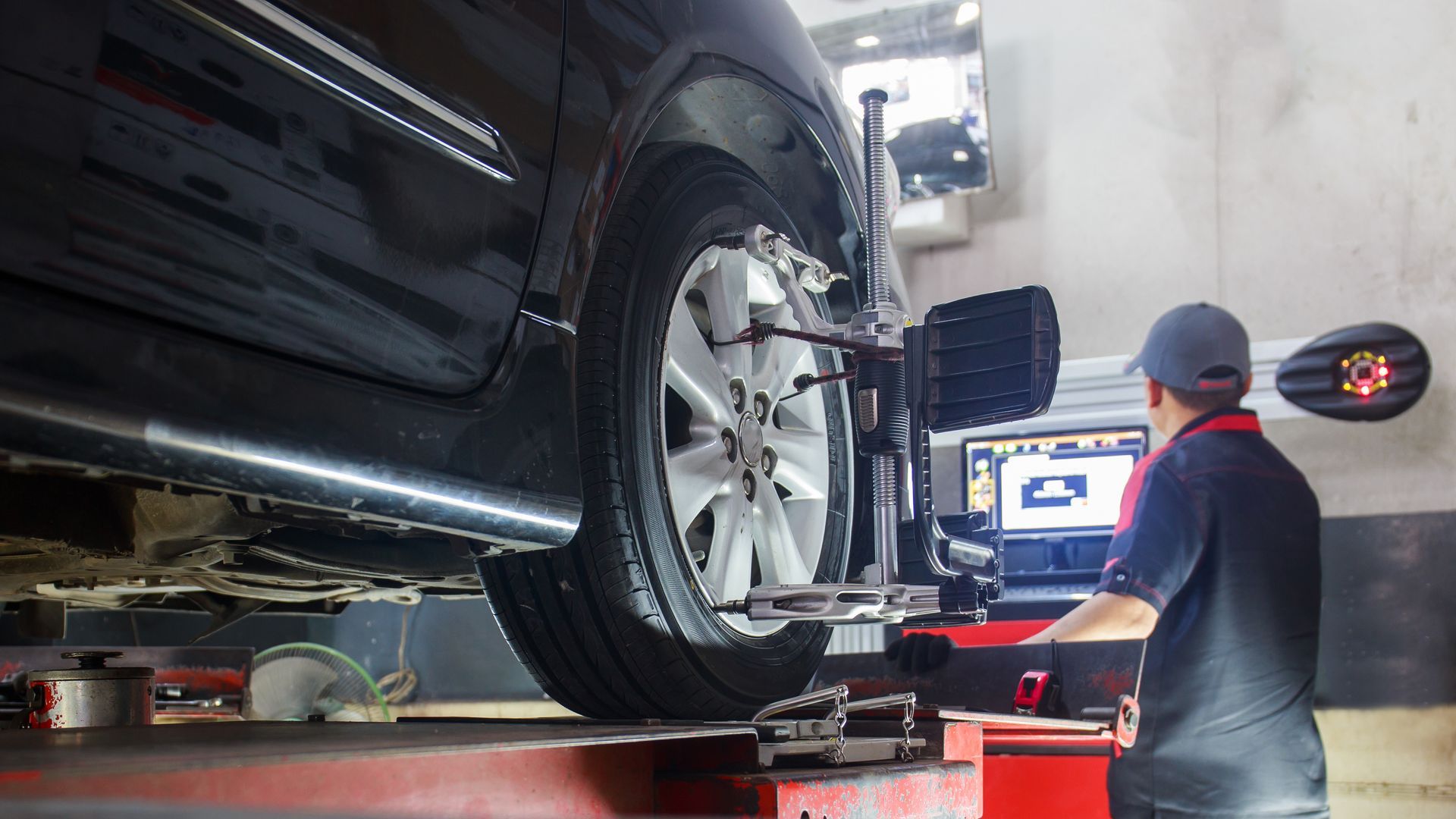
Even wear across the tread is the goal. Feathering across the blocks points to a slightly out-of-toe alignment. Inner or outer shoulder wear hints at camber problems or sagging suspension parts. Cupping looks like shallow scoops around the tire and usually comes from weak shocks that let the tire bounce. If the center is worn but the shoulders look good, pressures have likely been too high for a while. Correcting alignment and suspension saves the next set from the same fate, but a tire that is already uneven will stay noisy and weak in the wet. Replace it and fix the cause at the same visit.
Cracks, Bulges, and Age You Might Overlook
Rubber ages from heat, sun, and time. Fine sidewall cracks start as cosmetic, then deepen. A bulge in the sidewall means the internal cords have been damaged by an impact, and the tire is no longer structurally sound. Check the DOT date code on the sidewall. The last four digits show the week and year. In our climate, once a tire is around six years old, plan for replacement even if the tread looks decent. Age hardens the compound, which lengthens stopping distance and raises the chance of a heat-related failure.
New Vibration or Humming That Wasn’t There Last Month
A fresh vibration between 60 and 75 miles per hour can point to a shifted belt inside the tire. You may also hear a new hum that changes with road speed and gets louder as you lean into a turn. Rotating front to rear is a quick test. If the vibration moves with the tire, the tire itself is the culprit. A road force balance can sometimes tame a minor belt issue, but a tire with a broken or separated belt should be replaced. Driving on it risks a sudden loss of air or an ugly fender scuff when it lets go.
TPMS Is Quiet, Yet You Keep Adding Air
Slow leaks do not always trip the warning light. A nail close to the shoulder can seal and leak again as the tire flexes. Corroded aluminum valve stems and TPMS seals can also seep without leaving a clear nail head to find. If you are adding air weekly, the tire needs attention. Repairs that sit too close to the shoulder are unreliable because that area flexes heavily. Most manufacturers do not approve repairs that overlap the shoulder. In those cases, replacement is the safe call.
Repairs Near the Shoulder and Why They Fail
Proper tire repairs use an internal patch plug in the crown area, not a simple string from the outside. When a puncture falls near the shoulder or angles through the belts, it never seals as well, and heat works on that weakened spot every mile. On a hot day or a fast highway run, that repair can open. If the injury is in the shoulder or sidewall, skip the patch discussion and replace the tire. It is cheaper than bodywork or a tow.
How to Check Your Tires at Home in Two Minutes
Use a tread gauge at the inner, center, and outer ribs on each tire. Write the numbers down.
Run your palm lightly across the tread blocks. If it feels like a sawtooth one way and smooth the other, feathering is starting.
Look along the sidewalls in good light for small cracks, scuffs, or a bulge that looks like an egg.
Set pressures to the door placard in the morning, then recheck in a week. Any drop larger than a pound or two needs a closer look.
These quick checks catch early problems before they show up as a slide in the rain or a shake on your next road trip.
Replace with Confidence at Alma Tire & Auto Repair LLC in Alma, GA
If braking feels longer in the wet, if a new hum has appeared on the highway, or if a tire keeps losing air, visit Alma Tire & Auto Repair LLC. We measure tread at all three positions, check date codes, inspect for belt shifts and sidewall damage, and verify alignment so the next set wears evenly. You will get clear options based on how you drive, from quiet touring tires to tougher choices for rough roads.
Call or book today and leave with tires that stop shorter, track straighter, and keep every trip predictable.