How Proper Wheel Alignment Saves You Money in the Long Run
When your vehicle tracks straight and feels calm on the highway, it is easy to forget about wheel alignment. Over time, though, small bumps, potholes, and curb taps slowly nudge things out of spec. You might notice a slight pull or a steering wheel that is a little off-center and shrug it off.
Those small changes are often the first signs that your alignment is already costing you money in tires, fuel, and suspension wear.
How Wheel Alignment Really Works
Wheel alignment is all about setting the angles of your tires so they meet the road the way the manufacturer intended. The main angles are toe, camber, and caster, and they control how the tires roll, how the tread contacts the pavement, and how the steering feels. When those angles are correct, the tires roll with minimal scrub, and the suspension parts share the load evenly.
Once alignment drifts out of range, the tires start to fight each other slightly instead of rolling together. That extra scrub creates heat and drag that you usually feel as a pull, a vague steering feel, or a small loss in fuel economy. Even if the car still seems “okay,” the tread is quietly wearing away faster than it should.
Early Signs Your Wheels Are Out of Alignment
Misalignment usually shows up with subtle clues long before it becomes a big safety issue. Some of the most common signs include:
- Steering wheel off center while driving straight on a level road
- Vehicle pulling to one side and needing constant correction
- Uneven tire wear, such as feathering or more wear on one edge
- A light shimmy or wandering feel at highway speeds
If you notice one or more of these, a technician can verify alignment with proper equipment before the tires are too far gone. Catching it early almost always costs less than waiting until the tread is visibly damaged.
How Misalignment Chews Through Tires and Fuel
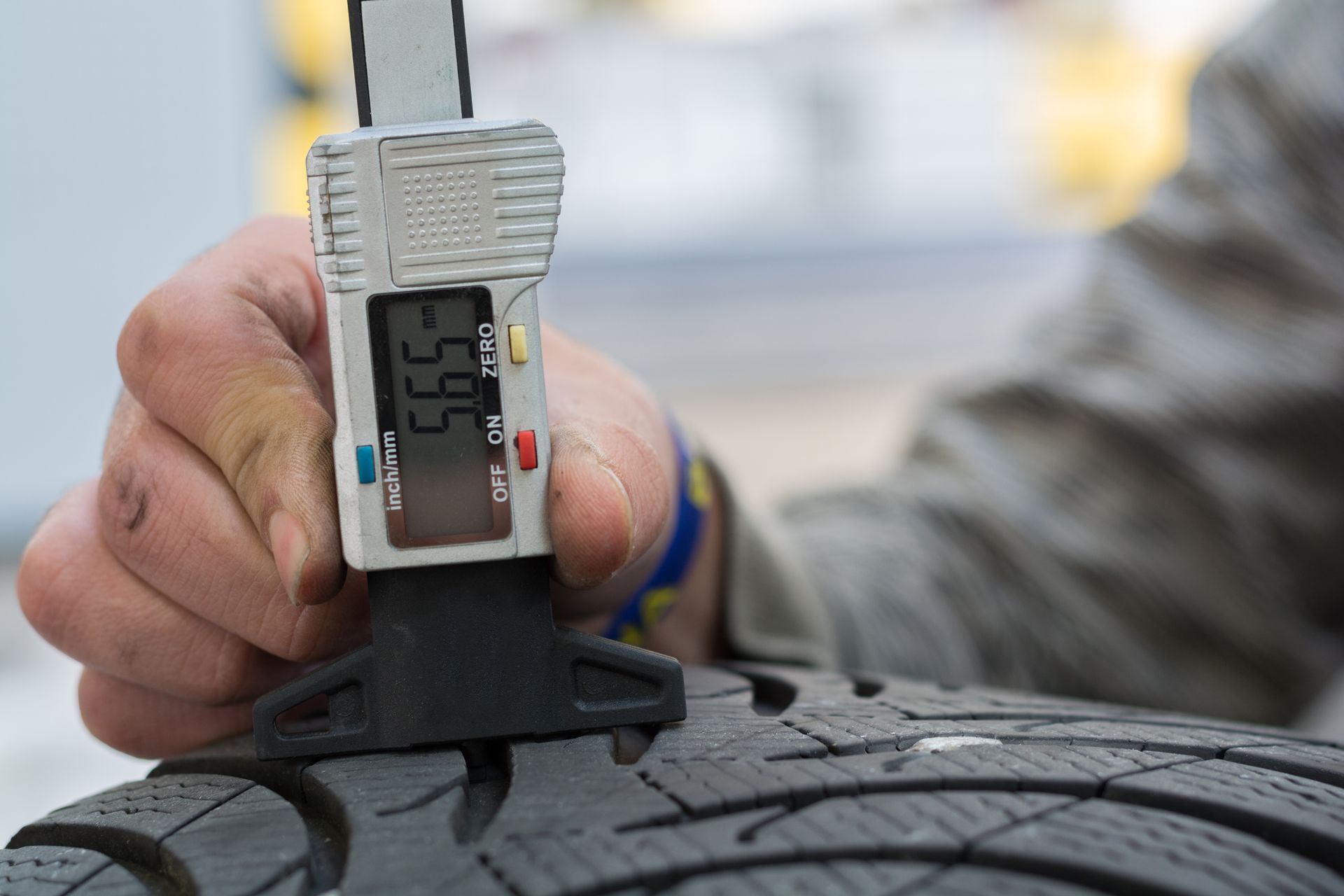
Tires are a major part of your maintenance budget, and misalignment is one of the fastest ways to shorten their life. When a tire is toed in or out too far, the tread scrubs sideways with every rotation. Instead of wearing evenly across the contact patch, you get sharp edges, cupping, or bald spots that make the tire noisy and less effective in wet weather.
That extra scrub also creates rolling resistance. Even a small misalignment across four wheels can make the engine work just a bit harder all the time. It may not feel dramatic from the driver’s seat, but over thousands of miles it adds up in fuel costs. Many customers are surprised how much smoother and more effortless the car feels after a proper alignment and matched tire pressures.
Steering, Suspension, and Safety Effects of Poor Alignment
Alignment does more than protect tires. When the wheels are pointed in different directions, the suspension bushings, ball joints, and tie rods are constantly being pulled against their natural range. Over time, that can accelerate wear in those parts, leading to looseness, clunks, or the need for early replacement. A small misalignment today can turn into a bundle of suspension repairs a few years down the road.
There is also a safety angle. In an emergency maneuver, you need the car to respond predictably and stop straight. If one tire is worn on the inside edge and another on the outside, they will not have the same grip when you really need it. Alignment alone will not fix worn components, but setting everything correctly after repairs helps the vehicle track straight and stay more stable in poor weather or panic stops.
Cost-Smart Plan: When to Schedule a Wheel Alignment
You do not need an alignment every time you fuel up, but waiting until the tires are ruined is not a bargain either. A practical, budget-friendly plan usually looks like this:
- Check alignment when installing new tires, so they start their life on a solid foundation
- Recheck if you hit a large pothole, curb, or notice a sudden change in steering feel
- Include an alignment check every couple of years, or sooner if you see unusual wear
Paying for an alignment at the right times often saves the cost of one or two early tire replacements over the life of the vehicle. It also gives a technician a chance to spot loose suspension parts before they cause bigger issues.
Owner Habits That Help Your Alignment Last Longer
The way the vehicle is driven and used can protect alignment or slowly push it out of spec. Slowing down for speed bumps and rough railroad crossings reduces the shock that tries to bend suspension pieces. Avoiding sharp hits on parking curbs helps keep alignment hardware and control arms straight. Rotating tires on schedule makes it easier to spot odd wear patterns early, which often leads to alignment checks before things get expensive.
Even simple habits like keeping tires at the correct pressure help. Underinflated or mismatched pressures can exaggerate small alignment problems and make the car feel like it is pulling more than it really is. When a technician sees clean, even wear across all four tires, it usually means the alignment and driving habits are working together the way they should.
Get Wheel Alignment in Alma, GA with Alma Tire & Auto Repair LLC
We can check your wheel alignment with modern equipment and match the readings to how your vehicle feels on the road. We look at tire wear, suspension condition, and your driving habits so we can recommend adjustments that protect both your safety and your wallet. We know proper alignment is one of the simplest ways to get the most life out of your tires and suspension.
Schedule a wheel alignment with
Alma Tire & Auto Repair LLC
in Alma, GA, to keep your vehicle tracking straight and your long-term costs under control.